
The fire protection industry is undergoing one of its most significant transformations in decades. As organizations move away from fluorinated firefighting foams, engineers, facility managers, and system owners face new challenges in equipment compatibility, system performance, testing requirements, and regulatory compliance.
At Interschutz 2026, Fire Lion Global’s Director, Aaron Johnson, discussed the evolving landscape of foam fire protection systems and what organizations should consider when upgrading existing installations or designing new systems.
The Impact of Fluorine-Free Foam Adoption
As fluorine-free foams become more widely adopted, many existing fire protection systems need to be evaluated to ensure they perform as intended with these new concentrates.
Unlike legacy foams, some fluorine-free formulations have different viscosity characteristics, which can affect how foam pumps, proportioners, motors, and diesel drivers perform within a system. In many cases, equipment originally designed for older foam concentrates may need modifications or upgrades.
The challenge becomes even greater when older equipment manufacturers are no longer operating or supporting their products.
Evaluating Existing Systems
Many facilities today operate systems that were installed 10, 15, or even 20 years ago. When it’s time to upgrade, system owners must determine which components can remain in service and which should be replaced.
A thorough evaluation typically includes:
- Existing foam pump performance
- Driver compatibility (electric motors or diesel engines)
- System pressure requirements
- Foam concentrate properties
- Available approvals and listings
- Future maintenance and support considerations
In some cases, facilities can retain existing drivers and replace only the foam pump. In others, increased power requirements may necessitate larger motors or diesel engines to accommodate higher-viscosity foam concentrates.
The Growing Role of Electronic Foam Proportioning
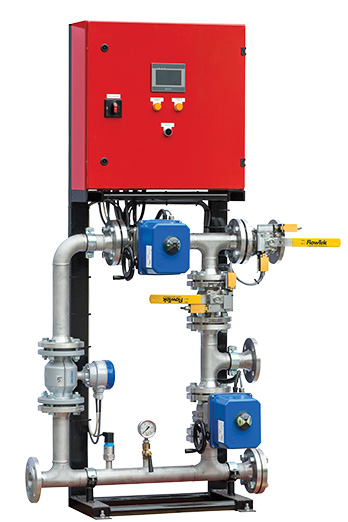
Electronic foam proportioning technology continues to gain attention across the industry for its flexibility and operational advantages.
Modern electronically controlled systems offer several benefits:
Viscosity-Independent Operation
Electronic proportioners can accurately proportion a wide range of foam concentrates regardless of viscosity, which provides greater flexibility as foam formulations continue to evolve.
Reduced Hydraulic Losses
Unlike traditional proportioning technologies that can introduce pressure losses in the water line, electronic proportioning systems that use magnetic flow meters can operate with virtually no friction loss, allowing hydraulic designers to retain valuable system pressure.
Simplified Testing
One of the most significant advantages is the ability to recirculate foam concentrate during testing without mixing it with water.
This capability helps:
- Reduce foam concentrate consumption
- Lower testing costs
- Minimize environmental impact
- Eliminate costly foam disposal requirements
- Maintain compliance with local environmental regulations
As testing and environmental regulations become increasingly stringent worldwide, these benefits continue to drive interest in electronic proportioning technologies.
Why Experience Matters During System Transitions
Every region has unique regulations, standards, and performance requirements. What works for a facility in North America may differ significantly from the requirements of a project in Europe, the Middle East, or Asia.
Successfully navigating these transitions requires more than selecting equipment from a catalog. It requires understanding:
- Local regulatory requirements
- Approval standards
- Foam concentrate characteristics
- Existing system limitations
- Long-term maintenance considerations
The most successful projects begin with asking the right questions and developing a solution tailored to the facility’s specific needs.
Looking Ahead
The transition to fluorine-free firefighting foams continues to drive innovation across the fire protection industry. Manufacturers are developing new pump designs, improving efficiency, expanding viscosity approvals, and introducing technologies that help end users meet both performance and environmental objectives.
As facilities evaluate future upgrades, selecting partners with proven experience in foam systems, retrofits, approvals, and emerging technologies will be critical to ensuring reliable system performance for years to come.
Need Help Evaluating a Foam System Upgrade?
Fire Lion Global works with engineers, contractors, and facility owners worldwide to evaluate existing systems, support transitions to fluorine-free foam, and develop solutions that meet both performance and regulatory requirements.
